Most busy families end up choosing between Luxury Vinyl Plank (LVP) and hardwood. And at Andriots, that usually means comparing Coretec LVP with hardwood options from Anderson Tuftex, Mullican, Bella Cera, or Somerset, plus Stanton for carpeted rooms.
 Durability: LVP Wins for Families
Kids, pets, constant traffic—LVP handles it without complaining.
Coretec advantages:
- Fully waterproof
- Strong wear layer
- Scratch-resistant
- Stable in humidity swings
- Excellent for concrete slabs, crawlspace homes, and basements
Coretec is basically the “set it and forget it” floor for real-world homes.
Hardwood durability varies by species and brand:
- Anderson Tuftex = higher-end finishes, durable, premium construction
- Mullican & Somerset = traditional American hardwoods, solid or engineered, quality milling
- Bella Cera = artisan finishes, hand-scraped options, premium visuals
Reality: hardwood can still scratch, dent, or react to moisture. LVP rarely does.
Look & Feel: Hardwood Still Looks and Feels Better
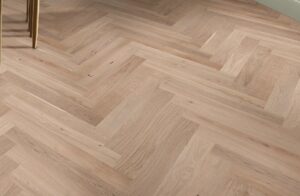 If you want authentic grain and a premium, timeless look, the hardwood lines Andriots carries deliver.
Hardwood strengths:
- Anderson Tuftex = modern, wide-plank, premium aesthetic
- Mullican = American-made classics, warm tones
- Somerset = traditional Appalachian hardwood
- Bella Cera = handcrafted finishes, upscale visuals
Nothing beats the depth of real wood.
LVP looks good, especially Coretec’s HD and enhanced lines, but it’s still a printed surface. Close—but not wood.
Maintenance: LVP Requires Almost None
Coretec:
- Sweep, mop, done
- Kids spill juice? Fine
- Dog comes in dripping wet? Fine
- Heavy furniture? Usually fine
- No refinishing, no humidity management
- No seasonal gapping
Hardwood:
- Must protect from scratches
- Manage humidity levels
- Clean with wood-safe products
- Refinish every 10–15+ years
- Watch for standing water
Families with hectic homes usually appreciate the low care of LVP.
Water Resistance: LVP Dominates
Nothing hardwood can do will ever make it waterproof.
Coretec LVP:
- Waterproof core
- Safe in kitchens, bathrooms, basements, mudrooms
- Ideal for homes with pets or toddlers
Hardwood:
- Performs well in dry rooms
- Should not be installed in moisture-prone areas
Simple: if water is part of your daily life, LVP is the safe option.
Comfort & Sound
Hardwood feels warm, solid, and natural—especially the premium finishes from Anderson Tuftex or Bella Cera.
Coretec with an attached pad is surprisingly comfortable and quiet, but still a bit firmer underfoot.
Cost: LVP Wins on Price
Coretec gives you a premium look for much less money.
Hardwood drives cost up fast because:
- Materials are more expensive
- Installation is more labor-intensive
- Refinishing adds long-term cost
If you’re replacing flooring across multiple rooms, LVP stretches the budget significantly further.
Resale Value: Hardwood Still Edges Out LVP
Hardwood—especially premium brands like Anderson Tuftex and Bella Cera—will always carry long-term resale cachet.
But Coretec has closed the gap more than people realize. Buyers recognize its durability and waterproof nature.
Which One Should Busy Families Choose?
Choose LVP (Coretec) if:
- You have kids or pets
- You want zero maintenance
- You need waterproof flooring
- You have a basement or slab
- You don’t want to worry about scratches or dents
- You’re working within a budget
Choose hardwood (Anderson Tuftex, Mullican, Bella Cera, Somerset) if:
- You want a premium, authentic look
- Your home stays climate-controlled
- You want long-term resale value
- You’re okay with refinishing over time
- You prefer natural materials over synthetic ones
What Most Kentucky Families Actually Do
Here’s the typical Andriots mix:
- LVP (Coretec) in high-traffic rooms, kitchens, basements, and mudrooms
- Engineered or solid hardwood (Anderson Tuftex, Mullican, Bella Cera, Somerset) in living rooms, dining rooms, and primary bedrooms
- Stanton carpet in secondary bedrooms and bonus rooms for softness and noise control
It’s the practical combo that looks good and survives real life.